After a full day on the mountain, there’s not much better than walking back into a place that’s warm and ready for you. The walkways are already plowed, there’s fresh snow on the mountain, and the only thing on your to-do list is deciding where to eat. For a lot of condo and townhome owners, that ease is the whole point, and association dues are what keep it running.
Association fees are a standard part of owning a condominium or townhome, and they are one of the numbers you will compare from one property to the next. This guide covers what they are, how associations plan for larger projects, and what to review before you buy.
What the Fees Cover
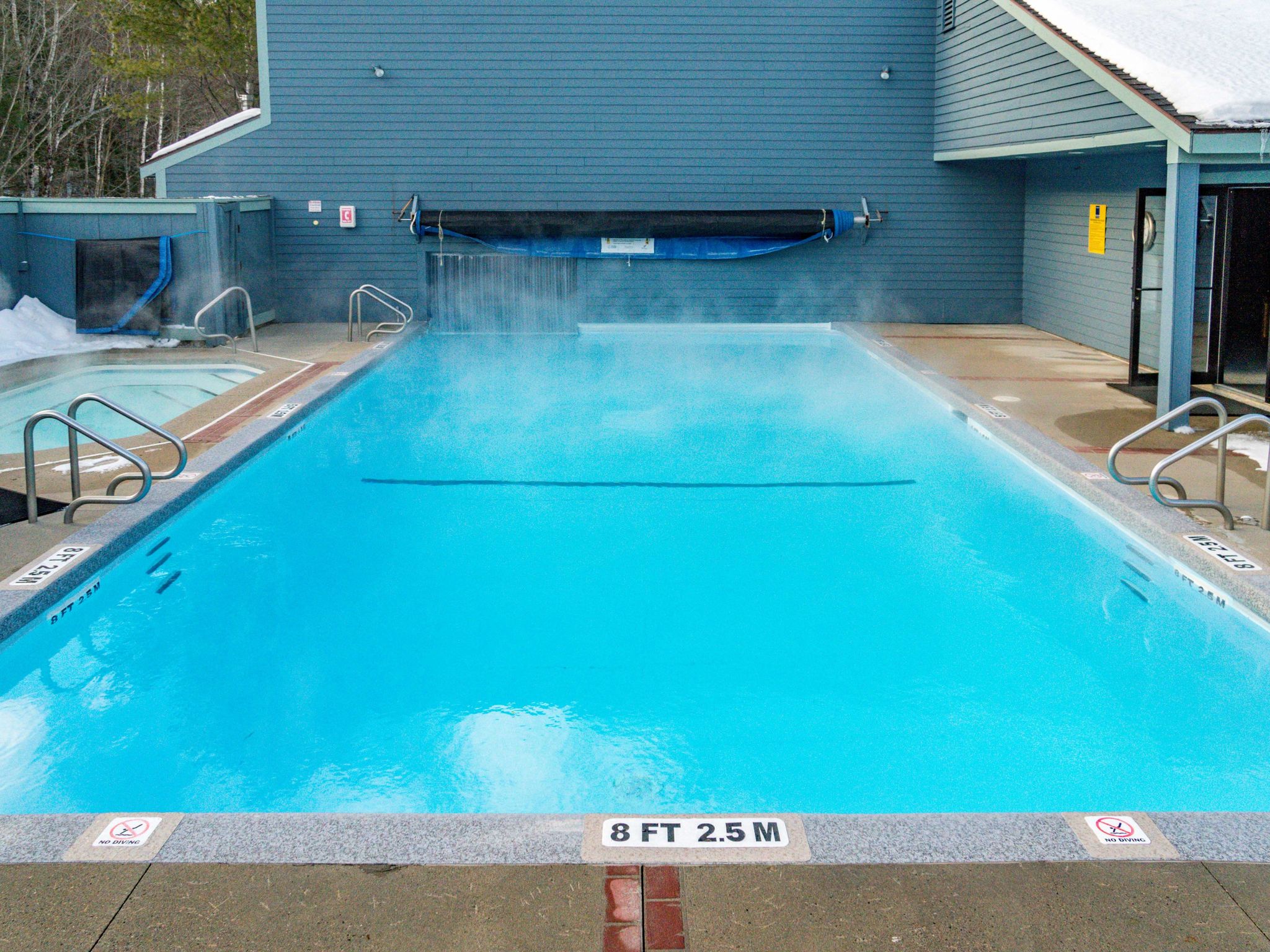
Owners in a condominium or townhome community pay regular dues, usually monthly or quarterly. Those dues fund the care of the shared parts of the property, including roof and exterior maintenance, landscaping, snow removal on common areas, trash, and insurance on the building. Many associations also cover shared amenities such as pools, hot tubs, and saunas, and some include utilities like water and sewer. With roughly 155 inches of snow a year at Sunday River, snow removal is a real line item.
Every community sets its own scope, so the most useful step is to request a written list of what the fee includes. With that list in hand, you can compare two properties accurately.
Reserves
Most association budgets include a reserve fund, which holds money for major projects like roof replacement or repaving. Setting funds aside over time spreads the cost of those projects across all owners and keeps annual dues steady.
A well-funded reserve is a sign of a well-managed community. It means the association is planning ahead, and owners aren’t surprised when a big project comes due. Most projects are paid for from the reserve. When one costs more than the fund holds, owners share the difference through a special assessment, so it helps to know the reserve balance and the projects on the horizon.
Don’t judge an association by its monthly fee alone. Low dues can work just fine, and a higher fee that covers utilities may be the better deal. The real story is in the P&L, the reserve fund, and the meeting minutes. Read them together to see how the association is funded, what it’s spending, and what projects are coming.
Documents to Review
Four documents give you a clear view of how an association operates: the annual budget and P&L, the reserve balance, recent meeting minutes, and the governing documents. Together they show the current finances, planned projects, and how decisions are made. We can request them for you.
The governing documents are the Bylaws and the Rules and Regs. They set out the community’s rules on parking, pets, and exterior changes, and they explain how fees are set and how they can change. Review them alongside the budget so you know exactly how the community runs.
Single-Family Homes
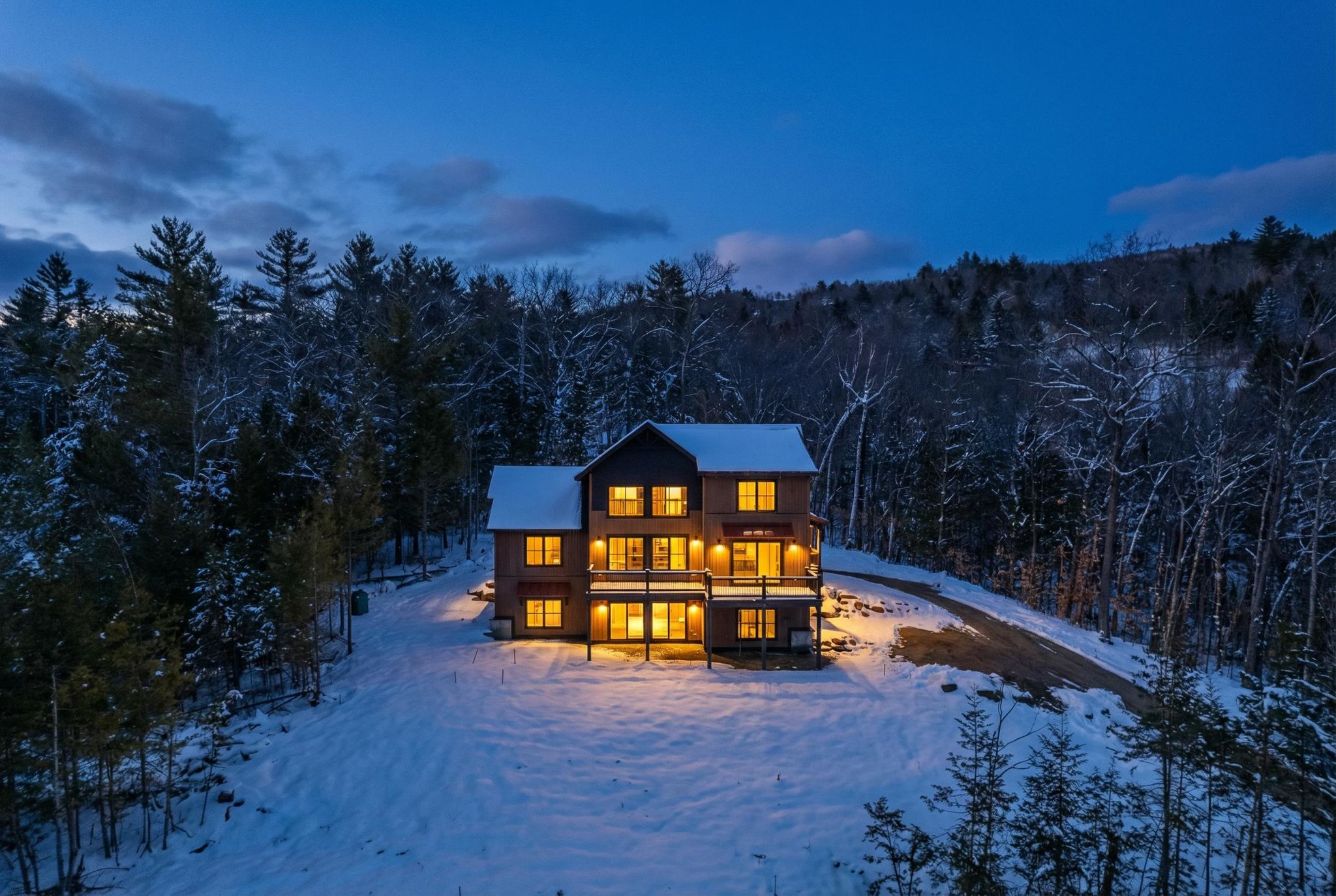
Many single-family homes have no association. Most of the ones that do belong are to a formal road association with basic covenants, rather than a full-service HOA with amenities and building maintenance. Where there is none, the owner handles the roof, exterior, and grounds directly, so a yearly maintenance budget needs to be part of your plan. If your road is private, ask who plows it and who pays. Many private roads run on a road association or a shared agreement with annual costs.
Comparing the Full Annual Cost
Property taxes, insurance, and utilities differ by home type. A condo with a higher association fee often includes services that a single-family owner arranges separately, such as exterior maintenance, snow removal, and trash. Comparing the full annual cost of each home gives you the most accurate picture.
For a condo or townhome, request the budget or a list of what the fee covers. For a home without an association, build an estimate from taxes, insurance, utilities, and maintenance. Once the numbers are side by side, the differences between communities are easy to see, and you can make an offer knowing exactly what ownership involves.
Next Steps
We’re happy to walk you through each step. We’ll pull the documents you need, go through any questions you have, and share our insight on what you’re seeing along the way. Contact us today.
Check out this article next